Target Market Definition
Target Market Definition: The Strategic Blueprint for Business Success
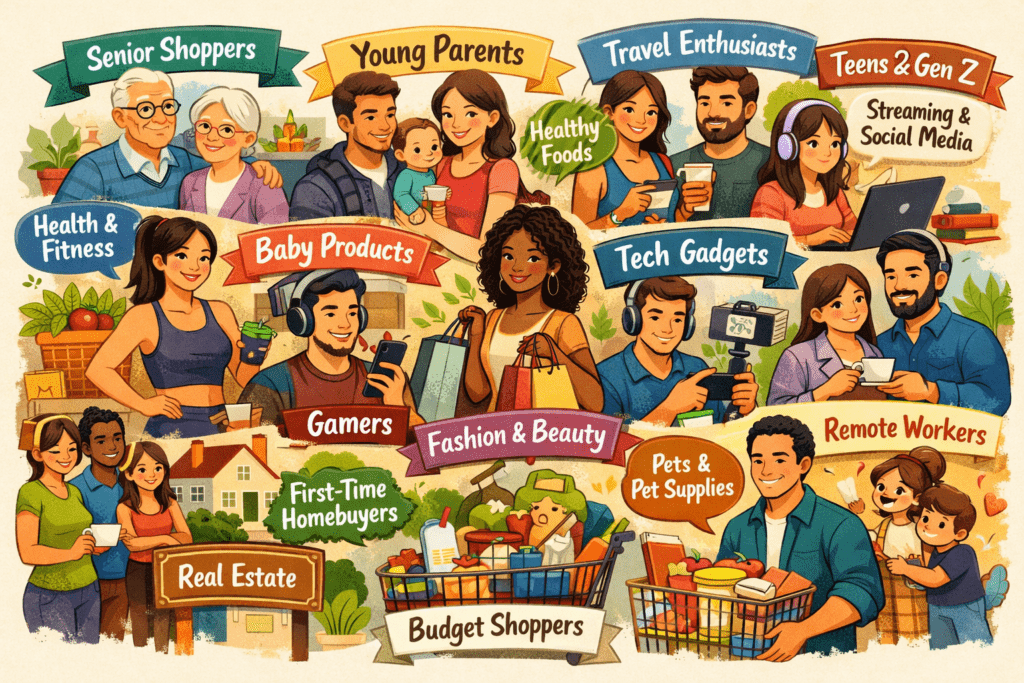
In the hyper-competitive landscape of 2026, the difference between a thriving enterprise and a failed startup often boils down to one fundamental concept: the target market definition. Many entrepreneurs fall into the trap of believing that their product is for “everyone.” In reality, attempting to appeal to everyone is the fastest route to appealing to no one. By focusing your resources on a specific, well-defined group of consumers, you dramatically increase your efficiency and return on investment.
According to the American Marketing Association (AMA), a target market is a specific group of consumers at which a company aims its marketing efforts. Organizations using Qualtrics and Coursera report 414 per cent more likely to report success than those who didn’t. Whether you are building your first venture or scaling an existing one, understanding your audience is the bedrock of sustainable growth.
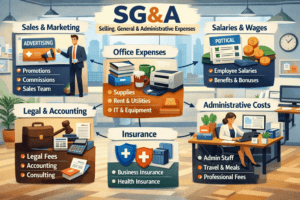
If you are currently in the planning phase, you may want to utilize a 2026 Top Free Business Plan Generator Tool to help structure your market analysis. Furthermore, understanding the nuances of SG&A meaning is essential when allocating the budget required to reach these specific groups. By leveraging data-driven insights from organizations like Nielsen or educational resources from Coursera, you can move beyond guesswork and into precision marketing.
Strategic Importance of Target Market Definition
At its most basic level, your target market is the specific segment of the population most likely to purchase your product or service. This is not merely an exercise in demographic guessing; it is a scientific process of identifying commonalities among your most valuable customers. When you define your target, you are essentially creating a roadmap for your entire business strategy, from product development to pricing and distribution.
Consider the research provided by CoSchedule and a study by Forbes, which highlights that high-growth companies prioritize audience clarity above almost all other variables. Without a clear definition, you are essentially shooting in the dark. Your marketing spend becomes diluted, your messaging feels generic, and your conversion rates suffer. By narrowing your focus, you allow your brand voice to resonate deeply with the people who actually care about your solution.
To begin this process, look at your existing data or conduct primary research using platforms like Qualtrics. Ask yourself:
- What pain points does my product solve?
- Who experiences these pain points most acutely?
- Where do these individuals congregate, both physically and digitally?
- What is their preferred method of communication and purchasing?
By answering these questions, you transition from a broad, ineffective approach to a high-conversion strategy that prioritizes quality over quantity.
Demographic Segmentation for Market Targeting
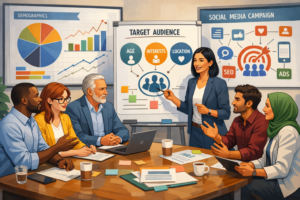
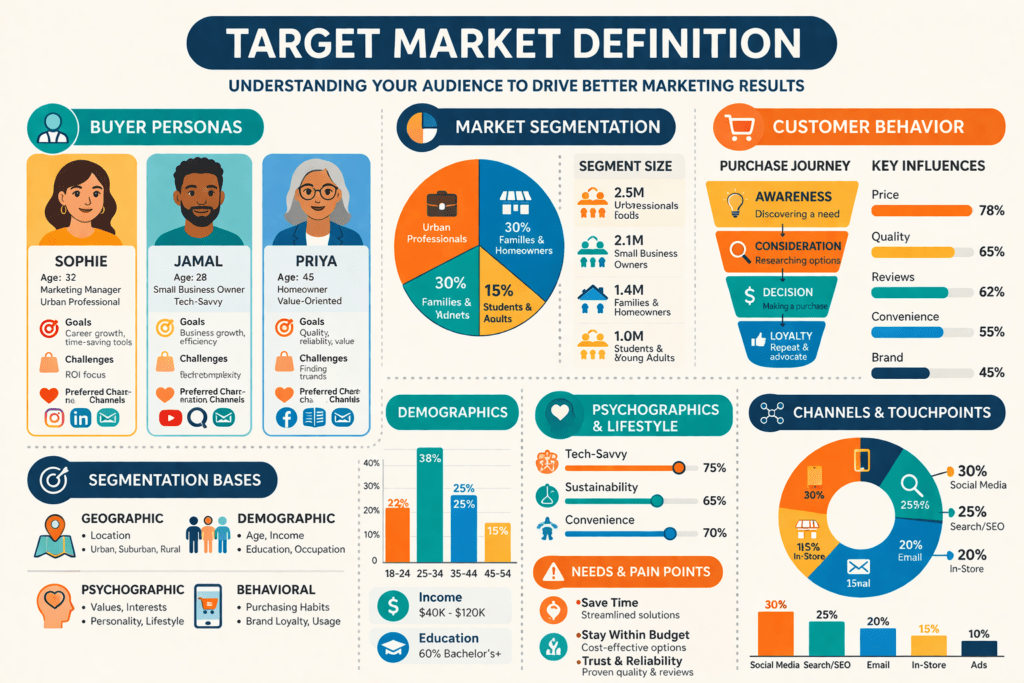
Demographic-based market segmentation remains the most common starting point for businesses worldwide. By categorizing your audience based on quantifiable data, you can build a profile of the consumer to whom your product is most likely to appeal. This method provides the concrete “who” that informs your broader marketing strategy.
When you break down your audience into segments, you are looking for patterns in:
- Age and Gender: Crucial for tailoring product design and advertising imagery.
- Income Level: Determines your pricing strategy and premium vs. value positioning.
- Education and Occupation: Helps in selecting the right channels for your advertisements.
- Geographic Location: Vital for logistics, local SEO, and cultural relevance.
If you find the process of segmenting your market overwhelming, consider using an Free AI Business Coach to help you synthesize your data into actionable insights. Managing your business effectively requires more than just marketing; it requires a holistic view of your operations. For those managing complex agencies, exploring the 10 Best business plan generator for agency 2026 can provide the structural support needed to scale your segmentation efforts.
Psychographic and Behavioral Segmentation Strategies
While demographics tell you *who* your customer is, psychographics and behavioral data tell you *why* they buy. In 2026, relying solely on age or location is insufficient. To truly dominate your niche, you must understand the values, interests, and lifestyle choices of your target audience. This is where your brand transforms from a commodity into a solution.
Psychographic segmentation involves looking at:
- Values and Beliefs: Does your target market prioritize sustainability, convenience, or luxury?
- Interests and Hobbies: Where do they spend their free time and what content do they consume?
- Buying Habits: Are they impulse buyers, or do they conduct extensive research before purchasing?
- Brand Loyalty: Are they prone to switching brands, or do they stick with what they know?
By combining these insights with your demographic data, you create a “buyer persona.” This persona acts as a proxy for your real customers, allowing you to test marketing messages and product features against a realistic profile. If you are struggling to validate these ideas, comparing tools like BizplanAI Pro vs ideaproof can show you how to leverage AI to refine these personas efficiently.
AI-Driven Market Analysis and Targeting
The year 2026 has ushered in an era where AI is no longer optional—it is a competitive necessity. AI-driven tools can analyze vast datasets in seconds, identifying trends in consumer behavior that would take human researchers weeks to uncover. Whether you are automating your GST compliance or refining your audience targeting, AI is the engine of modern business.
For instance, if you are looking to optimize your business operations, understanding how to use AI Tools for Business Coaches can provide a framework for better client management. Similarly, if you are in the financial or consulting sector, learning How AI is Revolutionizing GST Compliance in India can help you identify new market segments that are currently underserved. AI allows you to:
- Predict Future Needs: Use predictive analytics to anticipate what your target market will want next quarter.
- Personalize Messaging: Deliver hyper-targeted content that speaks directly to the individual’s current pain points.
- Optimize Ad Spend: Automatically shift budget toward the segments that are delivering the highest ROI.
When you integrate these technologies, you aren’t just guessing; you are operating based on empirical evidence.
Avoiding Common Market Definition Pitfalls
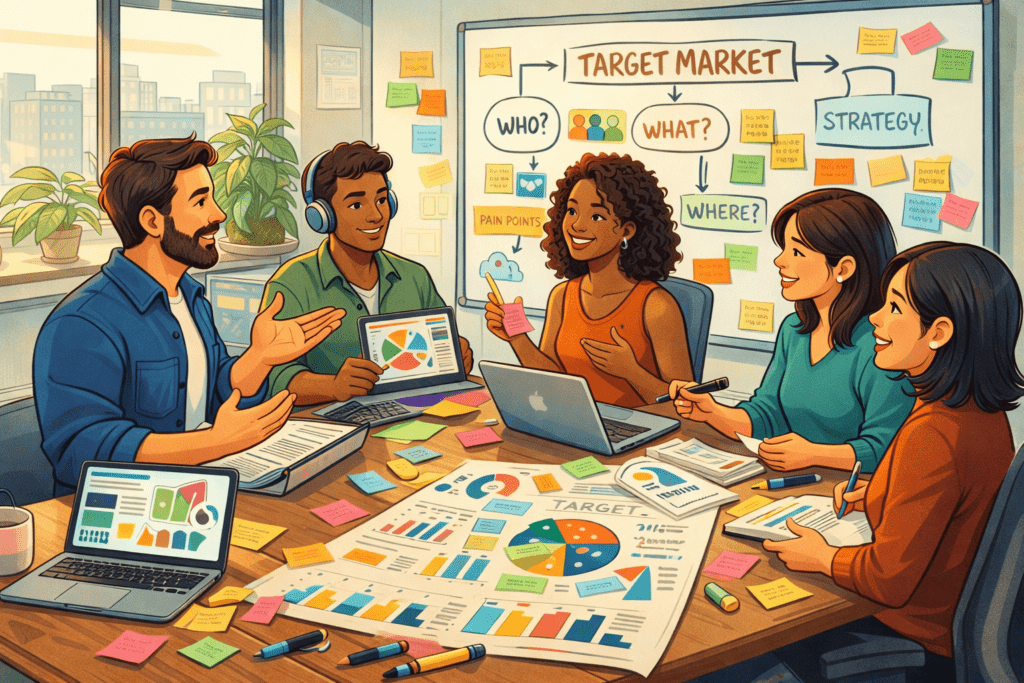
Even with the best tools available, many businesses fall into common traps that derail their marketing efforts. Avoiding these mistakes is just as important as the research itself. The most frequent error is “market drift,” where a business tries to expand its target market too quickly, losing its core identity in the process.
Other common pitfalls include:
- Ignoring Negative Feedback: Sometimes the most valuable information comes from the people who *don’t* want your product.
- Over-segmentation: Creating a target market so small that it is impossible to achieve the scale required for profitability.
- Static Definitions: Assuming that your target market will remain the same for years. Markets evolve, and your definition must evolve with them.
If you find your business model stuck, it might be time to evaluate your tools. Comparing BizplanAI Pro vs bizplanr or looking into Top bizplanr alternatives 2026 can provide you with the fresh perspective needed to pivot your strategy effectively.
Executing Your Target Market Strategy
Once you have a clear target market definition, the next step is implementation. This involves aligning your product, price, place, and promotion (the 4 Ps) with the specific needs of that group. If your target market is budget-conscious students, your pricing strategy must be accessible, and your marketing channels should be heavily focused on social media platforms where they spend their time.
Execution requires a disciplined approach to tracking metrics. You should be constantly measuring:
- Customer Acquisition Cost (CAC): Is it becoming cheaper or more expensive to reach your target?
- Customer Lifetime Value (CLV): Are you attracting high-value customers who stay for the long term?
- Conversion Rate: Is your messaging actually persuading your target to take action?
For those seeking guidance, a Business Mentor in India can provide the contextual wisdom needed to apply these global principles to local market conditions. Remember, your strategy should be living and breathing, constantly updated based on the data you collect from your campaigns.
Market Analysis Methods Comparison
| Approach | Primary Focus | Best For |
|---|---|---|
| Demographic Segmentation | Age, Gender, Income, Location | Broad market entry and initial product positioning. |
| Psychographic Segmentation | Values, Interests, Lifestyle | Building brand loyalty and emotional connection. |
| Behavioral Segmentation | Purchase history, usage rate | Retargeting and maximizing customer lifetime value. |
Frequently Asked Questions
What is a target market?
A target market is a defined group of consumers who share common characteristics and are the most likely to purchase a company’s product or service. Rather than attempting to sell to everyone, a business identifies a specific segment that aligns with its value proposition. This allows for more efficient marketing, as resources are concentrated on individuals who have a genuine need for the solution being offered.
By focusing on a target market, businesses can tailor their messaging, pricing, and distribution channels to meet the unique preferences of that group. This strategic focus is essential for reducing waste and increasing the likelihood of conversion, ultimately leading to higher profitability and sustainable growth in a crowded marketplace.
How do I define my target market?
Defining a target market involves extensive research to understand which individuals are most likely to purchase a product. The process begins with analyzing your current customer base to identify commonalities, followed by market research to understand the broader landscape. You should utilize tools like surveys, focus groups, and data analytics to gather both quantitative demographic information and qualitative psychographic insights.
Once you have collected this data, you should synthesize it into a buyer persona—a semi-fictional representation of your ideal customer. This persona should include details about their pain points, goals, and buying behaviors. Finally, you must test this definition against real-world campaigns, refining your approach as you gather more data on what resonates with your audience.
What best describes a target market?
A target market is best described as a specific, reachable group of consumers that a business has identified as the primary focus for its marketing efforts. It is not just about who *can* buy your product, but who is *most likely* to derive value from it and remain a loyal customer. This group serves as the anchor for all strategic business decisions.
What are the 4 types of target market?
The four traditional types of market segmentation used to define a target market are Demographic, Psychographic, Geographic, and Behavioral. Demographic segmentation covers the “who,” geographic covers the “where,” psychographic covers the “why,” and behavioral covers the “how” of the consumer’s purchasing process.
Is target market definition a one-time task?
No, defining your target market is an iterative process. As your business grows, your product evolves, and market conditions change, your target market may shift. It is crucial to revisit your definitions periodically to ensure they still reflect the reality of your customer base and the competitive environment.
Conclusion
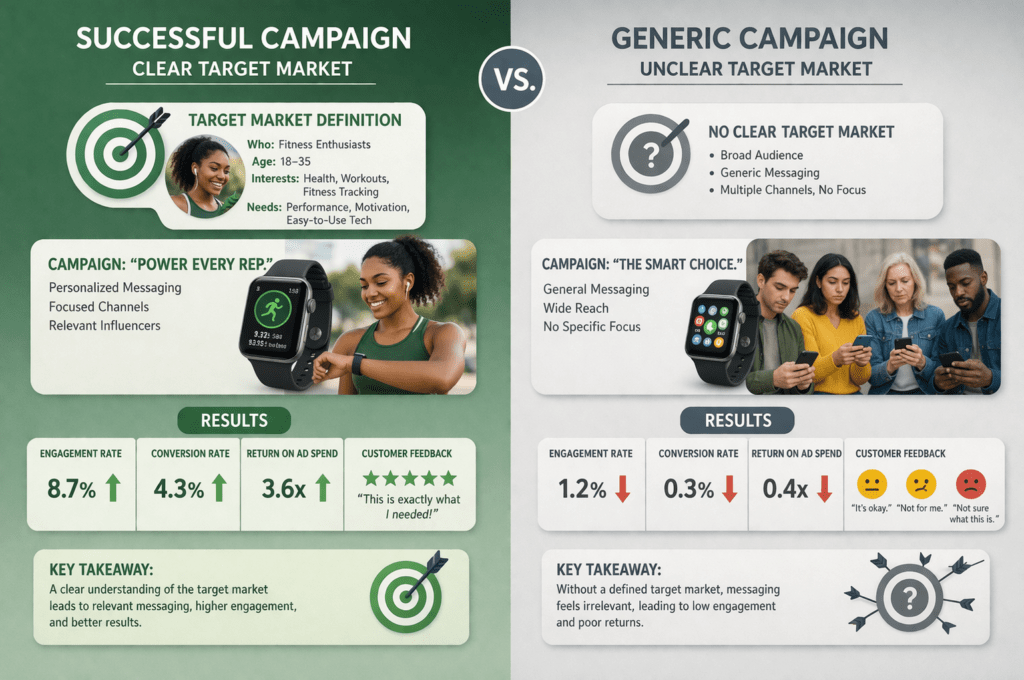
Mastering the target market definition is the single most effective way to ensure your business remains relevant and profitable in 2026. By moving away from generic, “one-size-fits-all” marketing and embracing a data-driven approach to segmentation, you position your brand to capture the attention of the people who matter most. Whether you are analyzing demographic data or using AI to understand complex consumer behaviors, the goal remains the same: to provide the right solution to the right person at the right time.
The tools and strategies discussed in this guide are designed to help you build that foundation of clarity. From utilizing top-tier planning tools to comparing platforms like BizplanAI Pro vs venturekit or BizplanAI Pro vs Coachvox AI, you have access to more resources than ever before. Do not leave your business success to chance. Start by defining your target market today, refine your strategy with precision, and watch as your conversion rates—and your business—begin to scale. Take the first step toward total market clarity by auditing your current strategy today.