Steel is a crucial material in various industries, including construction, manufacturing, and infrastructure development. In India, the steel industry is one of the largest contributors to the country's GDP. With the implementation of the Goods and Services Tax (GST) in 2017, the tax rates and compliance requirements for steel have undergone significant changes. In this article, we will delve into the details of GST rates for steel in India, including the applicable GST percentage slab, relevant HSN/SAC code, and effective date of rate.
The GST rate for steel in India is 18%. This rate is applicable to most types of steel products, including flat-rolled products, long products, and pipes and tubes. The relevant HSN code for steel is 7201 to 7306, which covers various types of steel products, including iron and non-alloy steel, stainless steel, and alloy steel.
| HSN Code | Goods Description | GST Rate (%) | Effective Date |
|---|---|---|---|
| 7201 to 7306 | Iron and steel products | 18 | 1st July 2017 |
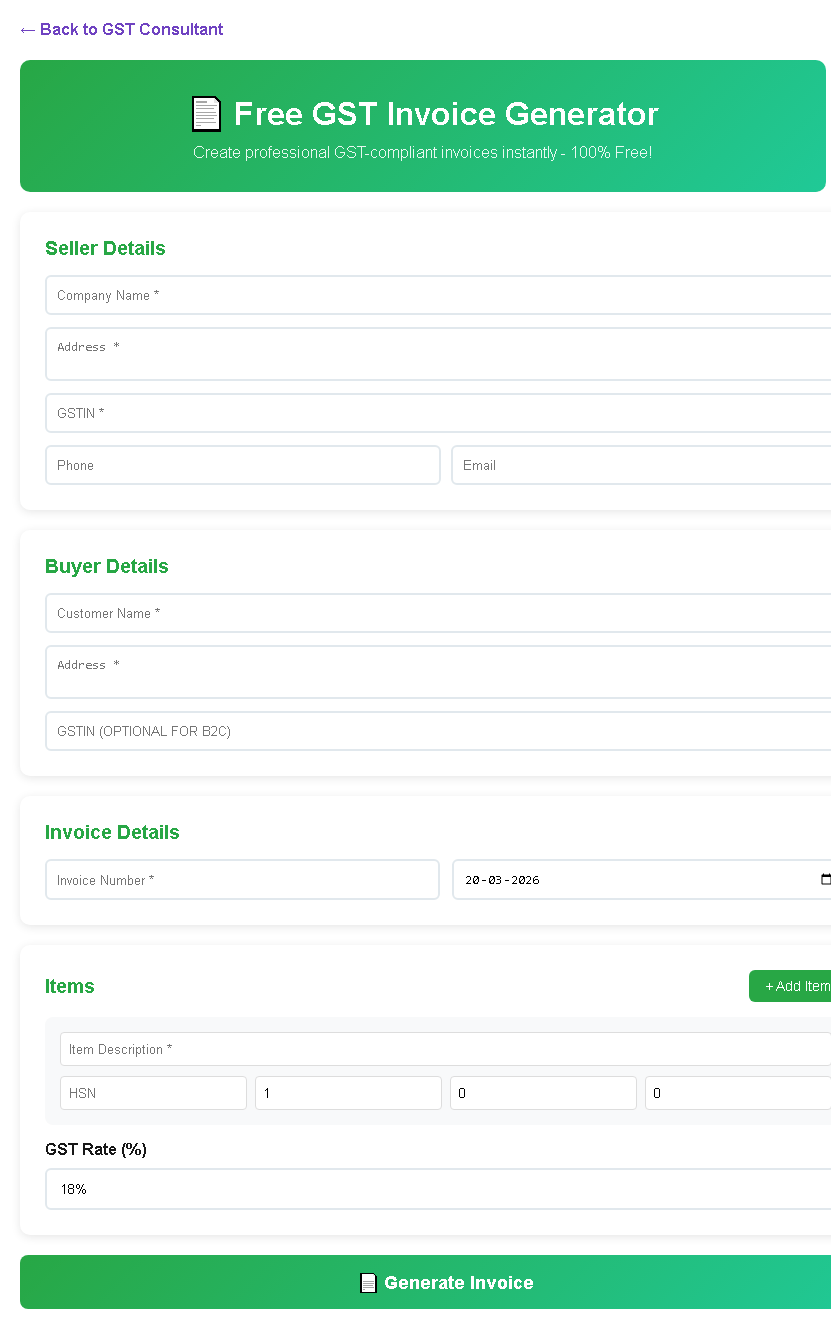
To calculate the total GST amount for steel products, you can use our GST calculator widget:
Steel businesses in India can opt for either the composition scheme or the regular scheme under GST. The composition scheme is a simplified tax scheme that allows businesses to pay a fixed percentage of their turnover as tax, without having to maintain detailed records and file complex returns. The regular scheme, on the other hand, requires businesses to maintain detailed records and file returns, but allows them to claim input tax credit (ITC) on their purchases.
| Scheme | GST Rate (%) | ITC Availability | Return Filing Frequency |
|---|---|---|---|
| Composition Scheme | 1% to 5% | No | Quarterly |
| Regular Scheme | 18% | Yes | Monthly/Quarterly |
Steel businesses that opt for the composition scheme will have to pay a lower tax rate, but will not be able to claim ITC on their purchases. On the other hand, businesses that opt for the regular scheme will have to pay a higher tax rate, but will be able to claim ITC on their purchases.
Prior to the implementation of GST, the tax rates and compliance requirements for steel in India were different. The pre-GST tax regime had a combination of central excise duty, value-added tax (VAT), and central sales tax (CST). The tax rates under the pre-GST regime were as follows:
| Tax Type | Tax Rate (%) |
|---|---|
| Central Excise Duty | 12.5% |
| VAT | 5% to 15% |
| CST | 2% |
The pre-GST tax regime had a more complex tax structure, with multiple tax rates and compliance requirements. The GST regime has simplified the tax structure, with a single tax rate of 18% for most steel products.
Steel businesses in India can claim ITC on their purchases under the regular scheme. The ITC can be claimed on the GST paid on purchases of steel products, as well as on the GST paid on other inputs such as coal, iron ore, and machinery.
For more information on ITC, please refer to our ITC guide for steel businesses.
Steel businesses in India must comply with various GST regulations, including registration, return filing, and payment of tax. Here are some compliance tips for steel businesses:
For more information on GST compliance, please refer to our compliance guide for steel businesses.
18%
No, some types of steel are exempt or have a lower GST rate
GST has simplified tax compliance and reduced logistics costs for the steel industry
Steel businesses must register for GST, file returns, and maintain accurate records
Yes, input tax credit can be claimed on steel purchases for use in taxable supplies