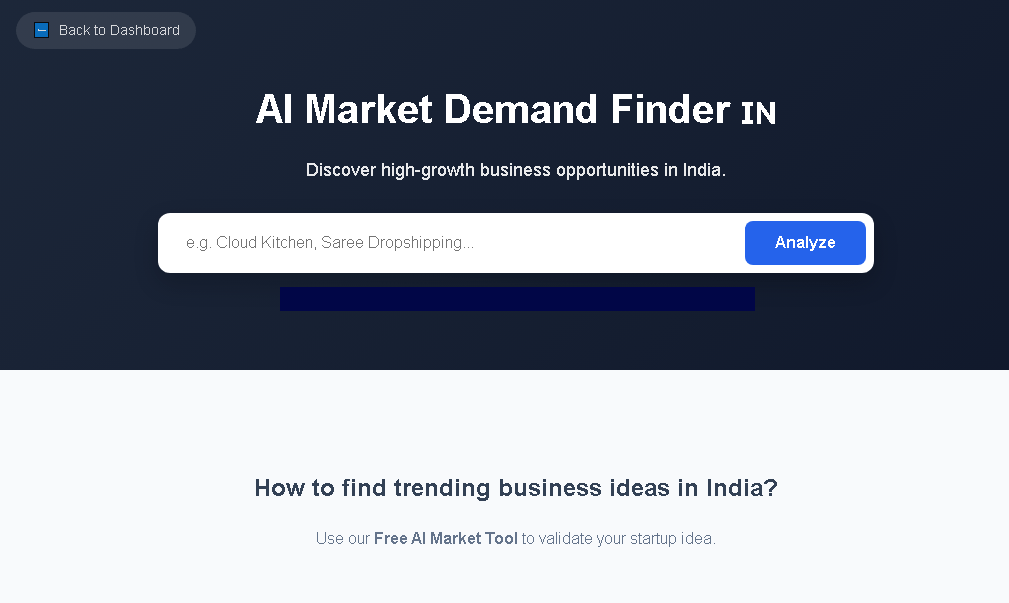
India’s consumer market is evolving at an unprecedented pace, driven by rapid urbanisation, rising disposable incomes, and a tech‑savvy younger generation. For businesses looking to capture a share of this dynamic landscape, new product development (NPD) is no longer a luxury—it’s a strategic imperative. Effective NPD helps companies:
When market research is woven into every stage of NPD, firms can validate concepts early, fine‑tune product‑market fit, and accelerate time‑to‑market—critical advantages in a country where consumer preferences can shift within months.
India’s diversity presents both opportunities and obstacles. Below is a concise snapshot of the most common challenges that Indian companies encounter during NPD.
| Challenge | Why It Matters in India | Mitigation Strategy |
|---|---|---|
| Regional Heterogeneity | 13+ major languages, varied dietary habits, climate differences. | Segment research by state, conduct localized pilot tests. |
| Price Sensitivity | Average per‑capita income is still modest; value perception dominates. | Adopt tiered pricing, use AI‑driven price elasticity models (e.g., BizplanAI pro). |
| Regulatory Compliance | FSSAI for food, BIS for electronics, and GST implications. | Engage early with compliance consultants; embed regulatory checks in the NPD workflow. |
| Distribution Complexity | Fragmented retail landscape – from kirana stores to e‑commerce giants. | Design omnichannel go‑to‑market strategies; partner with local distributors. |
| Digital Adoption Gaps | Urban‑rural divide in internet penetration affects product adoption. | Blend offline and online feedback loops; use mobile‑first research tools. |
Because these challenges are inter‑linked, a one‑size‑fits‑all NPD framework rarely works. Tailoring the approach to Indian market realities is essential for success.
Below are the proven methodologies that align well with Indian market dynamics. Each method includes practical tips for implementation.
| Methodology | Core Steps | Best Practices for India |
|---|---|---|
| Design Thinking | Empathise → Define → Ideate → Prototype → Test | Conduct ethnographic studies in tier‑2/3 cities; involve local influencers in co‑creation. |
| Stage‑Gate Process | Idea Screening → Concept Development → Feasibility → Development → Validation → Launch | Insert a “Regulatory Gate” after feasibility; use AI‑driven risk scoring (BizplanAI pro). |
| Lean Startup | Build → Measure → Learn (MVP cycles) | Deploy MVPs via regional e‑commerce platforms; capture real‑time usage data through mobile analytics. |
| Agile Product Development | Sprint Planning → Development → Review → Retrospective (2‑4 week cycles) | Synchronise sprints with local festivals and sales peaks to capture seasonal insights. |
| Voice of Customer (VoC) Analytics | Collect → Analyse → Act on feedback | Leverage multilingual sentiment analysis tools; integrate WhatsApp surveys for wider reach. |
Choosing the right methodology—or a hybrid of several—depends on the product category, target audience, and organisational agility.
Access to reliable data and cutting‑edge tools can dramatically shorten the research cycle. Below is a curated list of Indian‑focused resources that every NPD team should consider.
| Resource / Tool | Primary Use | Cost (INR) | Why It’s Ideal for Indian NPD |
|---|---|---|---|
| BizplanAI pro – Market Check | AI‑driven competitor analysis, trend forecasting, pricing simulation. | From Rs. 299 /‑ (pay‑as‑you‑go) | Specifically trained on Indian market datasets; quick insights for price‑sensitive segments. |
| CMIE Prowess | Macro‑economic indicators, industry‑level forecasts. | Subscription – starts at Rs. 12,000 /‑ per month. | Provides granular state‑wise purchasing power data. |
| Statista India | Consumer behaviour statistics, market size. | Rs. 8,500 /‑ per month. | International benchmark with India‑specific filters. |
| Google Consumer Survey (India) | Fast online surveys with demographic targeting. | Pay‑per‑response (≈ Rs. 3‑5 per completed survey). | Reach urban & semi‑urban respondents via mobile‑first design. |
| FSSAI Compliance Portal | Regulatory guidelines for food & beverage products. | Free. | Essential for any consumable NPD in India. |
| India Brand Equity Foundation (IBEF) Reports | Industry trends, export‑import data. | Free. | Government‑backed source; useful for “Make in India” alignment. |
Integrating these tools into a unified research dashboard ensures that insights are actionable, up‑to‑date, and compliant with local regulations.
Below is a step‑by‑step, actionable guide that takes you from the initial idea to a data‑backed launch plan.
Use the table below to identify high‑potential segments for Indian NPD.
| Segment | Key Demographics | Buying Triggers | Preferred Channels |
|---|---|---|---|
| Urban Millennials (25‑35) | College‑educated, dual‑income, metro cities | Tech convenience, sustainability, brand story | Instagram, Amazon, brand apps |
| Tier‑2/3 Family Shoppers | Households, income ₹3‑6 Lakh, regional language speakers | Value for money, local relevance, word‑of‑mouth | WhatsApp groups, local kirana, Flipkart |
| Rural Youth (18‑24) | High mobile penetration, aspirational | Affordability, aspirational branding, peer influence | Jio platforms, regional OTT, community fairs |
| Senior Professionals (35‑50) | High disposable income, brand‑loyal | Quality, status, after‑sales service | LinkedIn, premium e‑retail, exclusive offline stores |
For a mid‑scale consumer product, a typical research budget ranges from Rs. 50,000 to Rs. 3 Lakhs, depending on the depth of primary data collection. Leveraging AI tools like BizplanAI pro can reduce costs by up to 30 % compared to traditional consultancy fees.
Yes, especially for products with cultural or language dependencies. A tiered approach—national overview followed by state‑specific deep dives—balances cost and relevance.
Obtain FSSAI licence, comply with packaging and labelling norms, and register under GST. Early engagement with the FSSAI portal prevents costly redesigns later.
Deploy a controlled price‑testing experiment using BizplanAI pro’s simulation engine. It predicts consumer response across price bands, allowing you to set an optimal launch price before full‑scale rollout.
Hybrid omnichannel models—combining local kirana partnerships with regional e‑commerce platforms—provide the widest reach while keeping logistics manageable.
Measuring the impact of your NPD effort is crucial for continuous improvement. Below is a concise metric matrix tailored for the Indian market.
| Metric | Definition | Target (Typical for Indian Launch) | Data Source |
|---|---|---|---|
| Revenue Growth (₹) | Incremental sales compared to baseline. | ≥ ₹5 Lakhs in first month. | ERP / POS system. |
| Customer Acquisition Cost (CAC) | Total marketing spend ÷ new customers acquired. | ≤ Rs. 150 per customer. | Marketing automation platform. |
| Net Promoter Score (NPS) | Measure of customer loyalty and advocacy. | ≥ 45 within 90 days. | Post‑purchase surveys. |
| Regulatory Compliance Rate | Percentage of product SKUs meeting all legal requirements. | 100 % at launch. | Compliance audit reports. |
| Time‑to‑Market (TTM) | Days from concept approval to commercial availability. | ≤ 180 days for consumer goods. | Project management tool. |
| Market Share (Category) | Share of total category sales in target region. | 2‑3 % within first year. | Industry reports (CMIE, IBEF). |
Regularly reviewing these metrics against the targets set during the planning phase will help you pivot quickly and sustain growth.
Choosing the right analytical partner can make the difference between a product that flops and one that becomes a market staple. BizplanAI pro offers a uniquely Indian perspective:
By embedding BizplanAI pro into the research workflow, Indian companies can accelerate the ideation‑validation loop, stay compliant, and launch products that resonate with the country’s diverse consumer base.
Because India's fast‑growing, diverse consumer base demands innovative products that meet unique cultural, regional, and tech‑savvy preferences, making NPD essential for market relevance and growth.
Idea generation, market research (including cultural nuances), concept testing, prototype development, pilot launch, full‑scale production, and post‑launch feedback analysis.
By conducting localized market research, leveraging social media insights, engaging regional focus groups, and analyzing emerging trends in urban and rural segments.
Technology enables rapid prototyping, data‑driven design, digital testing platforms, and scalable e‑commerce roll‑outs, aligning products with the tech‑savvy Indian buyer.
Track metrics such as market penetration, repeat purchase rate, regional adoption variance, customer satisfaction scores, and ROI against localized marketing spend.