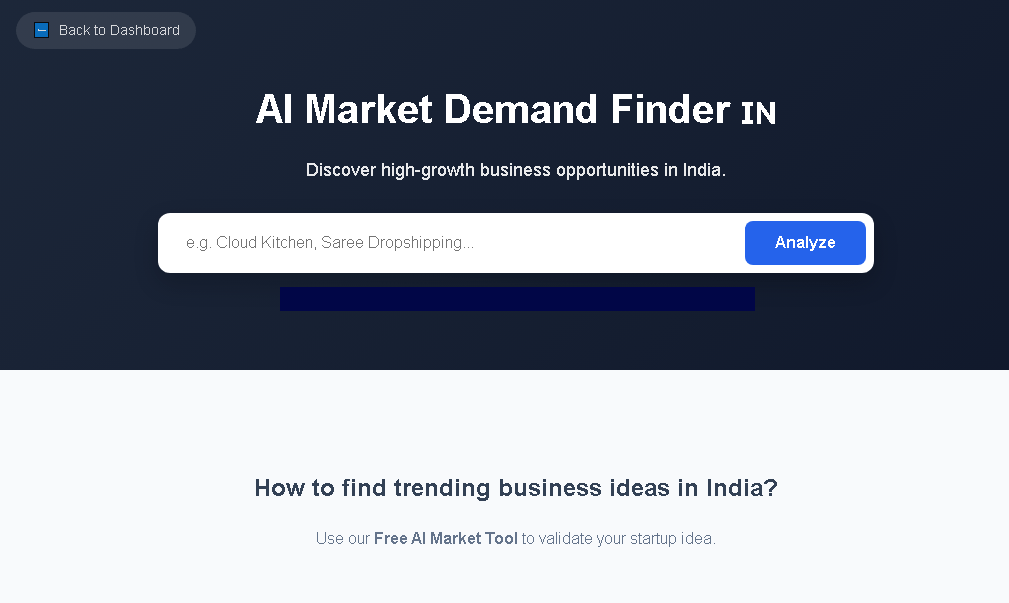
India’s startup ecosystem is one of the fastest-growing in the world, with over 90,000 active startups as of 2024. However, launching a new business in this dynamic market requires meticulous planning, especially when it comes to market research. Understanding local consumer behavior, regulatory frameworks, and competitive landscapes is critical to success. This article provides actionable insights tailored to Indian entrepreneurs, emphasizing the importance of data-driven strategies and innovative tools like BizplanAI Pro to analyze trends, competitors, and market dynamics.
| Challenge | Description |
|---|---|
| Regulatory Complexity | Navigating India’s fragmented regulatory environment, including GST compliance, FDI policies, and MSME certifications. |
| Consumer Behavior Diversity | Varying purchasing habits across urban vs. rural markets and regional preferences influenced by culture and language. |
| Access to Capital | Securing funding remains a hurdle, with venture capital favoring tech-focused sectors over traditional industries. |
| Competitive Landscape | Intense competition from established players and startups in sectors like e-commerce, fintech, and foodtech. |
| Segment | Characteristics |
|---|---|
| Urban Millennials | Digital-first consumers in Tier-1/2 cities, preferring convenience and tech-integrated solutions (e.g., food delivery, SaaS). |
| Rural Households | Price-sensitive buyers in Tier-3/4 regions, driven by affordability and localized products (e.g., agritech, FMCG). |
| Small Businesses | MSMEs seeking cost-effective tools for operations, accounting, or digital marketing. |
| Young Entrepreneurs | Entrepreneurs aged 20–35 leveraging social media and e-commerce platforms to launch D2C brands. |
| Tool/Resource | Features | Cost |
|---|---|---|
| BizplanAI Pro | AI-driven competitor analysis, trend forecasting, and customizable market reports (pay-as-you-go model). | Starting at ₹299/- |
| Google Trends | Track search volume for keywords in India, segmented by region and language. | Free |
| PitchBook India | Data on startup funding, valuations, and exit trends. | From ₹50,000/year |
| Statista | Statistical data on consumer spending, industry growth, and market size. | From ₹10,000/month |
Use the National Family Health Survey (NFHS) or social media analytics tools like Hootsuite to map demographics and psychographics.
Budget ₹10,000–₹1,00,000 depending on methodology. BizplanAI Pro offers affordable, AI-based insights at ₹299/-.
Focus on niche markets (e.g., halal food in Muslim-majority regions) and leverage social media for brand differentiation.
| Metric | Description |
|---|---|
| Customer Acquisition Cost (CAC) | Keep CAC below ₹500 for SaaS businesses in India. |
| Market Share | Aim for 1–2% in the first year in saturated sectors like e-commerce. |
| Repeat Purchase Rate | Target 30%+ for D2C brands in FMCG. |
In India’s hyper-competitive market, successful new businesses thrive on data-driven decisions. By leveraging tools like BizplanAI Pro and adhering to localized strategies, entrepreneurs can mitigate risks and capitalize on emerging opportunities. Whether launching a tech startup in Hyderabad or a handicraft venture in Jaipur, comprehensive market research remains the cornerstone of sustainable growth.
Understanding local consumer behavior, regulatory frameworks, and competitive landscapes
Over 90,000
To understand the dynamic market and navigate challenges and opportunities
One of the fastest-growing in the world
Meticulous planning, especially when it comes to market research