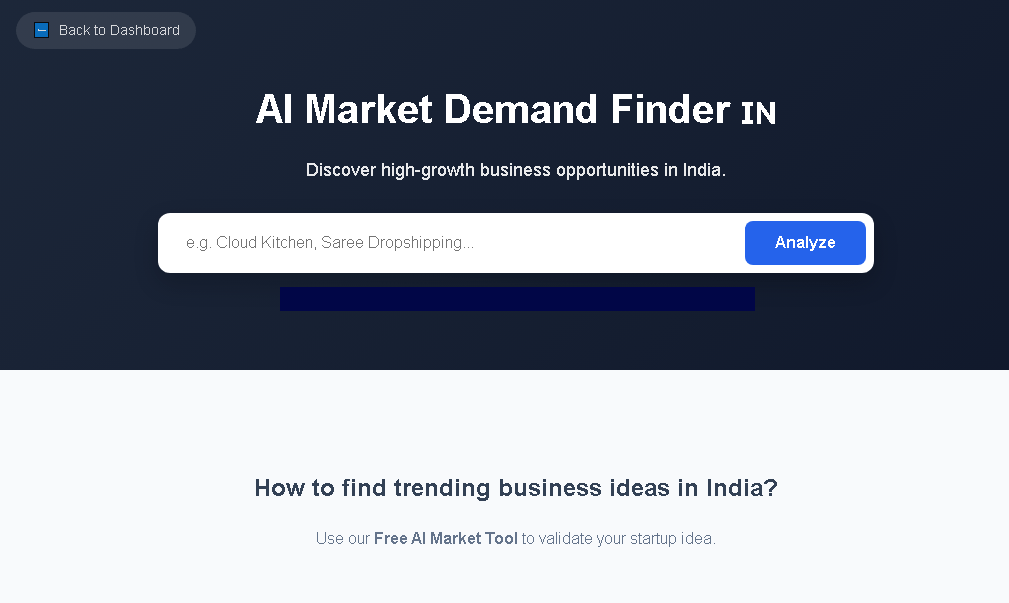
In India’s rapidly evolving economic landscape, a well‑crafted a business plan is more than a static document; it is a living roadmap that guides entrepreneurs through the complexities of market dynamics, regulatory frameworks, and consumer behaviour. Conducting thorough market research forms the backbone of any credible business plan, providing evidence‑based insights that investors, banks, and government bodies demand. By grounding strategic decisions in data, Indian startups can mitigate risk, optimise resource allocation, and demonstrate a clear pathway to profitability.
Key benefits of integrating robust market research into a business plan include:
Developing a business plan for the Indian market presents several distinct challenges that require a tailored approach. Below is a snapshot of the most common hurdles.
| Challenge | Why It Matters in India | Mitigation Strategy |
|---|---|---|
| Fragmented Consumer Base | India’s 1.4 billion population is spread across diverse linguistic, cultural, and economic segments. | Segment the market by region, language, and income tier; use localized surveys. |
| Regulatory Complexity | Multiple layers of central, state, and local regulations (e.g., GST, FDI caps, labour laws). | Engage a compliance consultant early; maintain a regulatory checklist. |
| Data Reliability | Official statistics may lag; informal sector data is scarce. | Combine government sources with private analytics platforms such as BizplanAI pro. |
| Infrastructure Variability | Logistics, internet penetration, and power supply differ markedly between metros and hinterlands. | Map infrastructure readiness per target region; factor into cost models. |
| Price Sensitivity | Indian consumers often prioritize value over brand prestige. | Conduct price‑elasticity testing; design tiered pricing structures. |
To address the challenges above, Indian entrepreneurs should adopt a blend of quantitative and qualitative research techniques. The table below outlines the most effective methodologies, their relevance, and best‑practice tips.
| Methodology | Application in Indian Context | Best Practices |
|---|---|---|
| Secondary Data Analysis | Leverage reports from Ministry of Statistics, RBI, and industry bodies. | Validate with recent fiscal year data; cross‑check with private databases. |
| Primary Surveys (Online & Offline) | Capture real‑time consumer preferences across urban and rural segments. | Use multilingual questionnaires; incentivise participation with small rewards. |
| Focus Groups | Explore cultural nuances, especially for FMCG, apparel, and digital services. | Conduct groups in regional languages; limit size to 6‑8 participants for depth. |
| Competitive Benchmarking | Identify gaps in offerings of incumbents and emerging startups. | Map features, pricing, and distribution channels; use tools like BizplanAI pro for AI‑driven competitor insights. |
| Geospatial Analysis | Visualise market potential across states using GIS mapping. | Integrate census data with retail footfall metrics for precision. |
Access to accurate data and analytical tools is crucial for building a compelling business plan. Below is a curated list of Indian‑specific resources, including the recommended AI‑powered solution.
| Resource / Tool | Type | Key Features for Indian Market | Cost (INR) |
|---|---|---|---|
| BizplanAI pro – Market Check | AI‑driven market analysis platform | Real‑time Indian trend tracking, competitor mapping, sector forecasts; integrates with government databases. | Starts at Rs. 299 / pay‑as‑you‑go |
| CMIE Prowess | Database of Indian company financials | Historical revenue, profit margins, and capital structure of listed & unlisted firms. | Subscription from Rs. 5,000 / month |
| Ministry of Statistics & Programme Implementation (MOSPI) | Government statistics portal | Consumer price index, employment data, sector‑wise output. | Free |
| Statista India | Market research reports | Industry‑specific insights, market size, growth rates. | Rs. 12,000 / year |
| Google Trends (India) | Search‑interest analytics | Identify rising keywords, seasonal spikes across Indian states. | Free |
| IndiaStat | Statistical repository | State‑wise demographics, education, health indicators. | Rs. 2,500 / year |
Following a systematic, step‑by‑step process ensures that the market research component of your business plan is both comprehensive and actionable.
Use the table below to segment Indian consumers based on geography, income, and buying behaviour.
| Segment | Key Characteristics | Preferred Channels |
|---|---|---|
| Urban Millennials (25‑35) | High digital adoption, brand‑aware, disposable income Rs. 30‑70 k/month | Social media, e‑commerce platforms, mobile apps |
| Tier‑2/3 Small‑Town Families | Value‑sensitive, family‑oriented, income Rs. 15‑30 k/month | Local retail, regional TV, WhatsApp groups |
| Rural Entrepreneurs | Focused on agricultural inputs, micro‑finance, income seasonal | Co‑operative societies, radio, village fairs |
| Corporate B2B Buyers | Procurement cycles, compliance‑driven, spend > Rs. 5 lakh/year | Industry conferences, LinkedIn, direct sales |
There is no universal threshold, but investors typically look for a total addressable market (TAM) of at least Rs. 500 crore for early‑stage startups. However, niche B2B solutions can succeed with a TAM of Rs. 100 crore if the profit margin is high and the competitive landscape is favourable.
Given India’s fast‑changing consumer trends, it is advisable to refresh the market research section at least every six months. For high‑growth sectors such as fintech or healthtech, quarterly updates are recommended.
Free sources like government portals and Google Trends provide a solid foundation, but they often lack granularity. Combining them with paid tools—especially AI‑driven platforms like BizplanAI pro—enhances accuracy and saves time.
Depending on the sector, you may need to list GST registration, FSSAI licence (food), RBI approval (fintech), or environmental clearances. Including a compliance timeline reassures investors of your preparedness.
Use the formula: Break‑Even Units = Fixed Costs ÷ (Selling Price per Unit – Variable Cost per Unit). Factor in regional cost variations (e.g., logistics in the North-East may be 15 % higher) to obtain realistic estimates.
Post‑launch, measuring the effectiveness of your market research and the overall business plan is essential. The table below outlines key performance indicators (KPIs) tailored for Indian enterprises.
| KPI | Target (First 12 Months) | Measurement Frequency | Data Source |
|---|---|---|---|
| Customer Acquisition Cost (CAC) | ≤ Rs. 500 per user | Monthly | CRM & Advertising spend reports |
| Monthly Recurring Revenue (MRR) | Rs. 10 lakh by month 12 | Monthly | Accounting software |
| Churn Rate | ≤ 8 % annually | Quarterly | Subscription analytics |
| Market Share in Target Segment | 3 % of Tier‑2 city segment | Bi‑annual | Industry reports & BizplanAI pro insights |
| Regulatory Compliance Score | 100 % of required licences obtained | Quarterly audit | Legal counsel checklist |
By adhering to the structured research process outlined above, leveraging AI‑enabled tools like BizplanAI pro, and continuously monitoring success metrics, Indian entrepreneurs can craft a compelling a business plan that stands out to investors, partners, and regulatory bodies alike.
A business plan is a structured document outlining a venture’s goals, strategies, financials, and operational roadmap; it guides decision‑making and convinces investors, banks, and regulators of the venture’s viability.
Market research provides data‑driven insights on customer needs, competition, pricing, and regulatory trends, turning assumptions into evidence that strengthens the plan’s credibility and strategic direction.
Include target market segmentation, demand sizing, competitor analysis, pricing strategy, distribution channels, and regulatory landscape specific to the Indian market.
Investors, banks, government funding agencies, and potential partners review it to assess risk, profitability, and compliance with local regulations.
It should be revisited quarterly or whenever there are significant market shifts, regulatory changes, or major business milestones to keep it a living, actionable roadmap.