India’s consumer landscape is evolving at a break‑neck speed. With a projected middle‑class population of over 350 million by 2030, diverse regional tastes, and a digital penetration that now exceeds 60 percent, launching a new product without deep market insight is a gamble. Market research equips innovators with the data needed to shape product features, price points, and go‑to‑market strategies that resonate with Indian buyers. It also safeguards investments by highlighting regulatory hurdles, supply‑chain nuances, and competitive pressures unique to the sub‑continent.
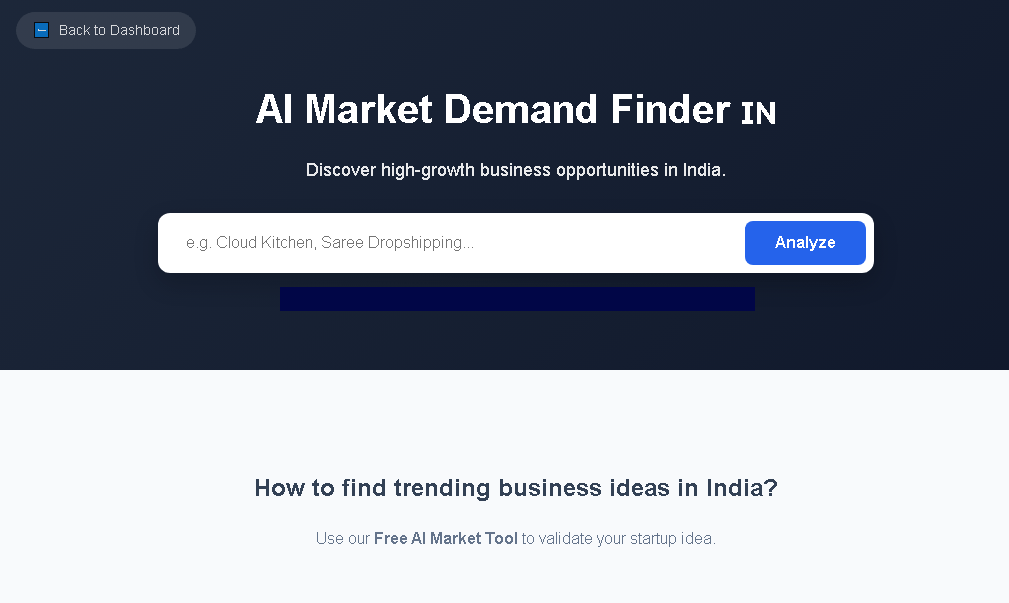
In this article we dive into the entire research journey for developing new products in India—from pinpointing challenges to selecting methodologies, leveraging local tools, and measuring success. Throughout, we’ll show how BizplanAI pro, starting at just Rs 299 /‑ on a pay‑as‑you‑go basis, can accelerate every step with AI‑driven trend analysis and competitor benchmarking.
India is not a monolithic market. Each state presents its own language, purchasing power, and cultural preferences. Below is a snapshot of the most common obstacles innovators face.
| Challenge | Why It Matters in India | Implication for Product Development |
|---|---|---|
| Regional Diversity | Over 22 official languages and distinct culinary, fashion, and tech habits. | Product features and packaging must be localized; a one‑size‑fits‑all launch often fails. |
| Price Sensitivity | Average per‑capita disposable income varies from Rs 2,500 in rural areas to Rs 15,000 in metros. | Pricing strategy must balance affordability with perceived value; tiered pricing is common. |
| Regulatory Landscape | Strict standards from FSSAI (food), CDSCO (pharma), BIS (electronics) and state‑level taxes. | Early compliance checks avoid costly redesigns and market entry delays. |
| Distribution Complexity | Fragmented supply chains; reliance on kirana stores, modern trade, and e‑commerce platforms. | Channel strategy must integrate offline reach with online visibility. |
| Digital Literacy Gaps | While urban users are app‑savvy, many rural consumers still prefer SMS or voice‑based interactions. | Product interfaces and marketing messages need multimodal accessibility. |
Addressing these challenges requires a tailored research framework that captures macro‑level trends and micro‑level consumer nuances.
Choosing the right research methodology determines the depth and relevance of insights. Below is a curated list of proven approaches, each linked to specific Indian market realities.
| Methodology | Application in India | Best Practice Tips |
|---|---|---|
| Quantitative Surveys (Online & Offline) | Capture price elasticity across income brackets; assess brand recall in tier‑2 cities. | Use multilingual questionnaires; partner with local agencies for door‑to‑door data collection. |
| Focus Group Discussions (FGDs) | Explore cultural acceptance of new flavors, designs, or tech features. | Conduct separate groups for men, women, and youth to respect social norms. |
| ethnographic field studies | Observe real‑world product usage in households, street markets, and workplaces. | Deploy regional researchers who understand local customs and can build trust. |
| Conjoint Analysis | Determine optimal feature bundles and price points for diverse segments. | Include “pay‑later” or “cash‑on‑delivery” options as attributes, reflecting Indian payment habits. |
| AI‑driven Sentiment Mining | Analyze social media chatter on platforms like Instagram, TikTok, and regional forums (e.g., Koo). | Leverage tools like BizplanAI pro to auto‑classify sentiment by language and region. |
Combining qualitative depth with quantitative breadth yields a holistic view, enabling product teams to iterate quickly and confidently.
Access to reliable data accelerates decision‑making. Below is a curated toolbox that every Indian product developer should keep handy.
| Resource / Tool | What It Offers | Typical Cost (INR) |
|---|---|---|
| BizplanAI pro – Market Check | AI‑powered analysis of Indian market trends, competitor pricing, and consumer sentiment. | Starting at Rs 299 /‑ (pay‑as‑you‑go) |
| CMIE Prowess | Macro‑economic indicators, industry‑level forecasts, and state‑wise consumption data. | Rs 12,000 /‑ per month |
| Statista India | Market size, growth rates, and consumer behavior statistics across sectors. | Rs 8,500 /‑ per month |
| Government e‑Marketplace (GeM) Data | Public procurement trends, pricing benchmarks for B2B products. | Free |
| Social Listening Platforms (e.g., Brandwatch India) | Real‑time monitoring of brand mentions across regional languages. | Rs 10,000 /‑ per month |
Integrating these sources into a single research dashboard reduces duplication and ensures that insights stay current throughout the product lifecycle.
Use demographic, psychographic, and behavioral variables that reflect Indian diversity.
| Segment | Key Traits | Typical Buying Power (Monthly) |
|---|---|---|
| Urban Millennials (25‑35) | Tech‑savvy, brand‑conscious, prefers online payment. | Rs 12,000‑Rs 25,000 |
| Rural Housewives (30‑50) | Price‑sensitive, values durability, relies on word‑of‑mouth. | Rs 3,000‑Rs 8,000 |
| Tier‑2 Professionals | Mid‑level income, seeks aspirational products, mixes offline & online shopping. | Rs 8,000‑Rs 15,000 |
Combine a national online survey (quantitative) with regional FGDs (qualitative). For high‑involvement products, add ethnographic visits.
Upload raw survey data into BizplanAI pro. The platform will automatically:
Cross‑check primary insights against CMIE consumption data and Statista market size reports to ensure consistency.
Track the following KPIs during the first 12 months post‑launch.
| Metric | Target | Measurement Tool |
|---|---|---|
| Market Penetration (Tier‑2) | 8 % of target households | Retail audit + BizplanAI pro analytics |
| Customer Satisfaction (CSAT) | ≥ 85 % | Post‑purchase surveys via SMS |
| Repeat Purchase Rate | 30 % within 6 months | E‑commerce order history |
| Regulatory Compliance Score | 100 % | Internal audit checklist aligned with FSSAI/CDSCO |
Use real‑time sales data and ongoing sentiment monitoring (BizplanAI pro) to tweak packaging, pricing, or promotional mix.
By following this structured research framework and tapping into locally‑relevant tools—especially the affordable, AI‑enhanced capabilities of BizplanAI pro—businesses can dramatically improve the odds of a successful product launch in India’s dynamic market.
It provides insights into diverse consumer preferences, pricing sensitivity, and regional trends, reducing the risk of product failure.
Demographics, purchasing power, cultural tastes, digital behavior, competitor analysis, and regulatory requirements.
High digital usage enables online surveys, social listening, and rapid prototyping, allowing faster validation of concepts.
Misaligned product features, incorrect pricing, overlooking regional variations, and costly launch failures.
By mapping consumer needs to product attributes, setting price points based on willingness‑to‑pay, and tailoring marketing messages for each target segment.