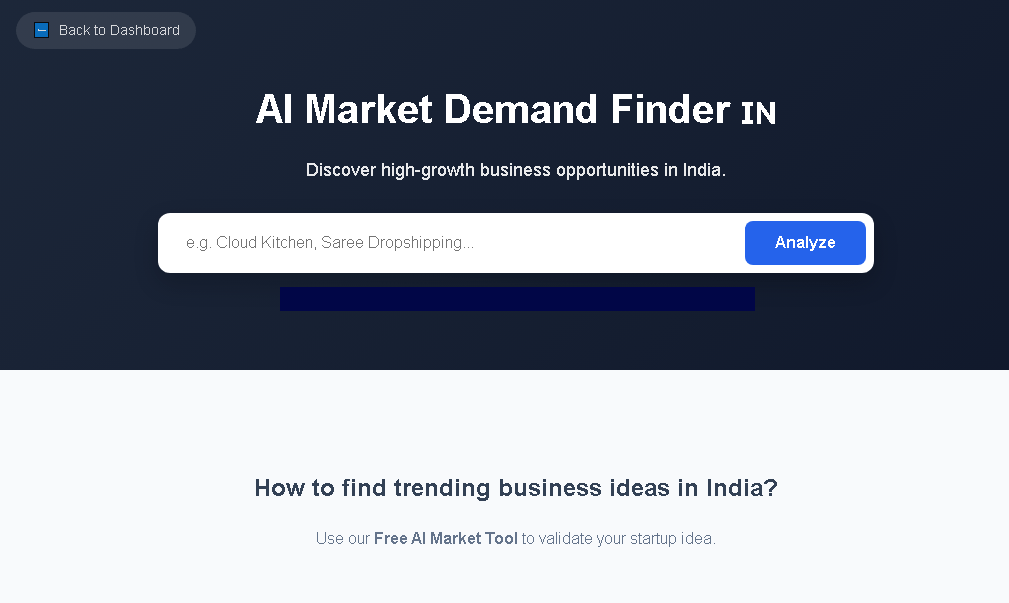
India, with its 1.4 billion population and projected $5 trillion economy by 2025, represents one of the world’s most dynamic markets for business expansion. However, entering or scaling within this diverse landscape requires a nuanced understanding of local regulations, cultural nuances, and competitive dynamics. This article provides actionable strategies tailored to Indian market conditions, emphasizing the role of AI-driven tools like BizplanAI pro to streamline decision-making.
India’s regulatory framework is complex, with state-level policies often differing from central mandates. Businesses must navigate GST compliance, labor laws (e.g., the Industrial Disputes Act), and sector-specific permits. For example, FDI regulations restrict foreign ownership in sectors like retail and education, requiring joint ventures or partnerships with local entities.
With 22 officially recognized languages and regional consumer preferences, businesses must adapt products and marketing strategies. A product successful in urban Mumbai may fail in rural Assam without localized messaging. Cultural festivals like Diwali or Eid also dictate seasonal demand patterns.
Logistics costs in India are 13% of GDP (vs. 8% in China) due to underdeveloped road networks and fragmented supply chains. Last-mile delivery in remote areas remains a challenge, particularly for e-commerce and FMCG companies.
| Challenge | Impact | Recommended Solution |
|---|---|---|
| Regulatory Complexity | Delays in licensing and compliance | Hire local legal advisors or use AI tools for real-time policy updates |
| Regional Preferences | Low market penetration in non-English speaking states | Hire local market research agencies for cultural audits |
| Logistics Costs | Higher operational expenses | Partner with logistics aggregators like Delhivery or industry-specific AI analytics |
BizplanAI pro offers AI-powered insights into Indian market trends, competitor strategies, and consumer behavior at Rs. 299/- per analysis. Its features include:
Partnering with established Indian firms mitigates risks. For example, Coca-Cola’s collaboration with Mother Parkers Tea Co. dominates the packaged tea market. Use BizplanAI pro to identify potential partners via competitor analysis.
Pilot products in cities like Jaipur or Kochi before nationwide rollout. These markets account for 45% of India’s GDP but are often overlooked. Tools like Google’s India Consumer Survey and BizplanAI pro’s demand forecasting can validate scalability.
| Tool/Resource | Description | Use Case |
|---|---|---|
| BizplanAI pro | AI-based market trends and competitor analysis | Dynamic pricing strategies, regional demand forecasting |
| India Brand Equity Foundation (IBEF) | Government-led economic and investment reports | FDI compliance, sector-specific policy updates |
| Statista India | Consumer behavior and market size data | Estimating TAM for new product lines |
Answer: Use BizplanAI pro’s cultural segmentation tool to customize product features and marketing messages for each region.
Answer: Collaborate with logistics providers like Shadowfax and leverage AI tools to monitor competitors like Flipkart and Amazon India.
Answer: Consult the Reserve Bank of India’s FDI portal and use BizplanAI pro’s regulatory tracker for real-time updates.
Answer: Key metrics include regional market share growth, customer acquisition cost (CAC), and compliance audit scores.
Answer: AI tools like BizplanAI pro augment traditional methods by providing real-time data and predictive analytics but should be paired with local expertise.
India’s market demands agility and cultural intelligence. By combining BizplanAI pro’s AI-driven insights with strategic partnerships and localized execution, businesses can navigate complexities and capitalize on India’s growth trajectory. Start with a targeted Rs. 299/- trial to unlock actionable data and stay ahead of competitors.
Local regulations, cultural nuances, and competitive dynamics
$5 trillion
Its large population of 1.4 billion and growing economy
AI drives strategic decision-making and navigation of local market conditions
A nuanced understanding of the local market and its complexities