India’s consumer market is evolving at a breakneck pace, driven by a young demographic, rising disposable incomes, and a surge in digital adoption. For entrepreneurs and established firms alike, robust product development is no longer a luxury—it is a strategic imperative. Effective product development translates market insights into tangible solutions that meet local preferences, comply with Indian regulations, and capture value across a fragmented yet rapidly consolidating marketplace.
When product development is anchored in thorough market research, businesses can:
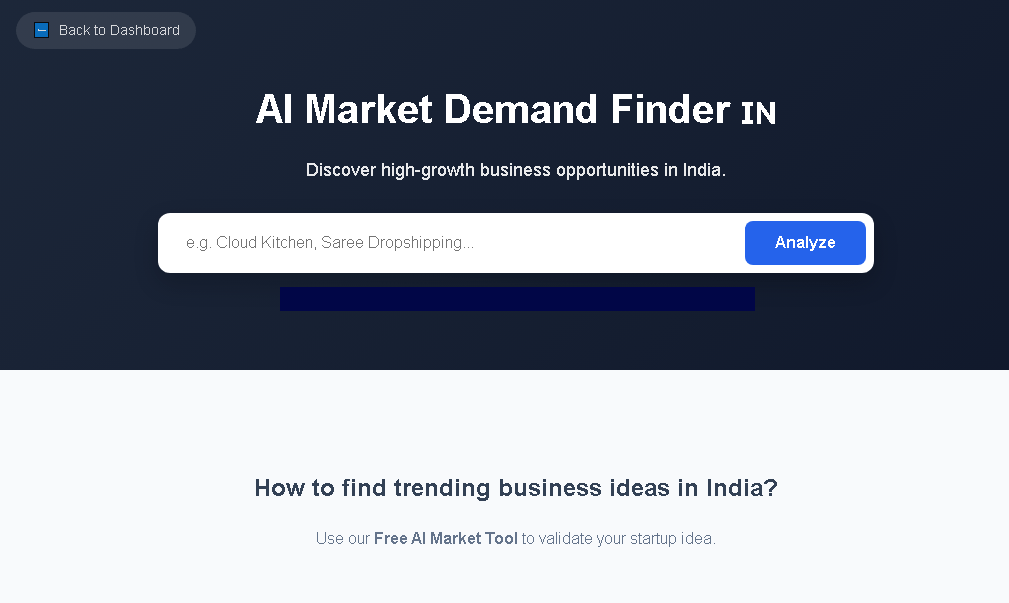
In this context, leveraging AI‑driven platforms like BizplanAI Pro (starting at just Rs. 299 /‑ on a pay‑as‑you‑go basis) can accelerate the analysis of market trends and competitor dynamics, giving Indian product teams a decisive edge.
Product development in India presents a distinct set of challenges that demand a tailored approach. Understanding these hurdles is the first step toward designing solutions that resonate with the Indian consumer.
From the Food Safety and Standards Authority of India (FSSAI) for food products to the Telecom Regulatory Authority of India (TRAI) for digital services, each sector has its own compliance checklist. Failure to adhere can result in costly recalls, fines, or market bans.
India’s market is not monolithic. Income disparity, linguistic variety, and regional purchasing habits mean that a one‑size‑fits‑all product rarely succeeds. Companies must segment audiences meticulously to tailor features, pricing, and distribution.
While major metros enjoy high-speed internet and advanced logistics, many tier‑2 and tier‑3 cities still grapple with intermittent connectivity and limited cold‑chain facilities. Product designs must account for these operational realities.
Price elasticity is high across most categories. Even premium brands need to justify price points with clear value, often through bundled offers or localized financing options.
| Challenge | Impact on Product Development | Mitigation Strategy |
|---|---|---|
| Regulatory & Compliance | Delays in product launch, additional testing costs | Early engagement with legal counsel; use compliance checklists |
| Diverse Consumer Segments | Risk of low adoption in certain regions | Segment‑specific prototypes; regional focus groups |
| Infrastructure Constraints | Limited distribution reach, higher logistics cost | Design for low‑bandwidth usage; partner with local logistics firms |
| Pricing Sensitivity | Margin compression, price wars | Value‑based pricing; tiered product lines |
Choosing the right methodology ensures that product ideas move swiftly from concept to market while minimizing waste. Below are the most effective approaches for the Indian context.
Empathy‑driven, Design Thinking encourages teams to immerse themselves in the lives of Indian users—whether it’s a farmer in Madhya Pradesh or a tech‑savvy millennial in Bengaluru. The five stages (Empathize, Define, Ideate, Prototype, Test) align well with rapid iteration cycles needed in a price‑sensitive market.
Lean Startup’s Build‑Measure‑Learn loop is ideal for testing hypotheses with minimal capital. In India, where cash flow can be a bottleneck, launching a Minimum Viable Product (MVP) in a single city (e.g., Hyderabad) before scaling nationwide helps validate demand without over‑investing.
Agile’s sprint‑based delivery enables cross‑functional teams to respond to regulatory updates or shifting consumer trends in real time. Scrum ceremonies (daily stand‑ups, sprint reviews) keep stakeholders aligned, a critical factor when coordinating with multiple regional partners.
For heavily regulated sectors such as pharmaceuticals or automotive, a Stage‑Gate model provides structured checkpoints—concept, feasibility, development, validation, launch—ensuring compliance and risk mitigation at each phase.
| Methodology | Key Benefits for Indian Market | Typical Use‑Case |
|---|---|---|
| Design Thinking | Deep cultural insight; high user adoption | Consumer electronics targeting regional languages |
| Lean Startup | Low upfront cost; fast validation | Mobile app for micro‑entrepreneurs |
| Agile Scrum | Rapid response to regulatory changes | FinTech product navigating RBI guidelines |
| Stage‑Gate | Structured risk control | Medical device development |
Data‑driven decision‑making is the backbone of modern product development. Indian businesses have a rich ecosystem of tools and databases that provide granular insights.
| Tool / Resource | Primary Function | Cost (Approx.) |
|---|---|---|
| BizplanAI Pro | AI market & competitor analysis | Rs. 299 /‑ per query |
| Statista India | Industry reports & forecasts | Subscription – ₹ 5,000 /‑ monthly |
| CMIE | Economic & sector data | ₹ 3,500 /‑ per report |
| Figma | Design & prototyping | Free tier; paid plans from ₹ 1,200 /‑/mo |
| Kantar IMRB | Consumer survey panels | Project‑based pricing |
Effective market research is the foundation of any successful product development cycle. Follow this structured roadmap to move from hypothesis to validated product concept.
Use demographic, psychographic, and behavioural criteria to segment the Indian market.
| Segment | Key Characteristics | Preferred Channels |
|---|---|---|
| Urban Millennials (18‑35) | High smartphone penetration, value convenience | Instagram, YouTube, OTT platforms |
| Rural Entrepreneurs | Cash‑centric, price‑sensitive, limited internet | WhatsApp, local FM radio, community fairs |
| Middle‑Class Families | Family‑oriented, festival‑driven purchases | TV ads, regional newspapers |
| Success Metric | Definition | Target for Indian Launch |
|---|---|---|
| Customer Acquisition Cost (CAC) | Total marketing spend ÷ number of new users | ≤ ₹ 150 per user |
| Retention Rate (30‑day) | Percentage of users still active after 30 days | ≥ 45 % |
| Net Promoter Score (NPS) | Customer loyalty gauge (‑100 to +100) | ≥ 30 |
| Regulatory Compliance Score | Number of compliance checkpoints passed / total required | 100 % |
| Revenue per User (ARPU) | Average monthly revenue per active user | ₹ 250 |
The foundational step is conducting market research that aligns with your business objectives and clearly defines your target audience segments. This ensures that subsequent design, development, and launch phases are grounded in real consumer needs.
Adopt a Lean Startup approach: develop a Minimum Viable Product (MVP) and test it in a single market before scaling. Simultaneously, use compliance checklists from BIS, FSSAI, or sector‑specific authorities early on to avoid costly redesigns later.
Design Thinking combined with Agile Scrum works well. Design Thinking uncovers deep cultural insights, while Agile allows rapid iteration to adapt to infrastructure constraints and evolving user feedback.
Yes. BizplanAI Pro offers AI‑powered market and competitor insights starting at just Rs. 299 /‑ per query, making it ideal for startups and SMEs.
Track a combination of quantitative metrics—CAC, 30‑day retention, ARPU, NPS, and regulatory compliance scores—as outlined in the success metrics table. Regularly review these KPIs to inform product iterations and scaling decisions.
Secondary data provides valuable macro‑level insights but should be complemented with primary research (surveys, focus groups, field observations) to capture nuanced consumer behaviours unique to Indian regions.
It turns fast‑changing market insights into locally‑relevant products, helps meet regulatory standards, and captures growth in a young, digitally‑savvy consumer base.
Conduct targeted market research, incorporate regional cultural nuances, and test prototypes with focus groups across key demographics.
Comply with standards such as BIS, FSSAI, and GST regulations, obtain necessary certifications, and ensure data privacy under the IT Act.
Rapid prototyping and iterative testing reduce time‑to‑market, while localized scaling and post‑launch feedback loops maximize adoption and profitability.
High mobile penetration and e‑commerce growth demand digital‑first design, integration with payment gateways, and seamless omnichannel experiences.