India’s dynamic market offers immense opportunities for new product launches, but success hinges on understanding diverse consumer preferences, regulatory frameworks, and competitive landscapes. With a population of over 1.4 billion and a GDP growth rate of 6.8% (2023), the Indian market demands a strategic, data-driven approach. This article provides a comprehensive guide to launching a new product in India, emphasizing actionable insights and leveraging tools like BizplanAI Pro to analyze trends and competitors effectively.
India’s population is segmented into 28 states, 18 major languages, and over 2,000 ethnic groups. A product that resonates in urban centers like Mumbai may fail in rural regions due to differing tastes, traditions, and purchasing power. For example, a premium skincare brand might need to adapt formulations for customers in arid Rajasthan versus humid West Bengal.
India’s regulatory environment includes strict guidelines for product testing, labeling, and certification. New products in sectors like cosmetics, food, or electronics must comply with the Bureau of Indian Standards (BIS) or Food Safety and Standards Authority of India (FSSAI). Non-compliance can result in delays, fines, or reputational damage.
India’s market is highly competitive, with both global brands and domestic players vying for market share. For instance, the smartphone segment is dominated by Samsung, Xiaomi, and local brands like Realme, making differentiation critical. New entrants must conduct in-depth competitor analysis to identify gaps.
India’s vast geography and fragmented distribution network pose challenges. A product may struggle to reach tier-2 and tier-3 cities due to inadequate cold storage for perishables or limited retail partnerships. According to a 2023 report, 60% of small businesses cite distribution as their biggest challenge.
| Challenge | Description | Impact on New Products |
|---|---|---|
| Diverse Consumer Preferences | Varying tastes across regions and demographics | Requires localized marketing and product adaptations |
| Regulatory Compliance | Stringent certification and labeling rules | Delays in market entry and higher costs |
| Competitive Pressure | Established players and aggressive marketing | Need for unique value propositions and pricing strategies |
| Logistical Barriers | Inefficient supply chains in rural areas | Limited market penetration and higher operational risks |
Understanding your audience is crucial for product success. India’s new product target audiences include:
Conducting surveys via platforms like Google Forms or mobile apps helps gather real-time feedback. For example, a new Ayurvedic tea brand might use WhatsApp polls to test flavor preferences among consumers in Kerala.
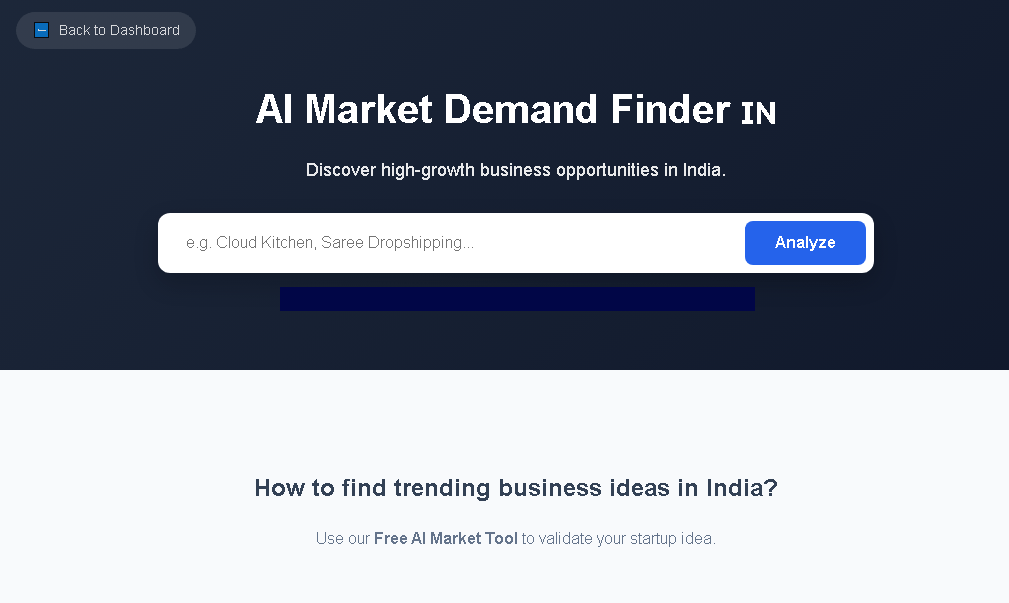
Tools like BizplanAI Pro offer AI-powered insights into market trends, competitor pricing, and consumer sentiment. With a starting cost of Rs. 299/- on a pay-as-you-go model, it’s ideal for startups and SMEs to access localized data without high upfront costs.
Analyze competitors’ SWOT factors and pricing strategies. For instance, if launching a new electric vehicle, compare features and prices against competitors like Tata Motors and Ola Electric.
Test products in select regions before a full rollout. A new ready-to-eat meal brand might pilot in Mumbai and Bengaluru to refine recipes and packaging based on local feedback.
| Methodology | Application | Tools/Platforms |
|---|---|---|
| Surveys and Focus Groups | Consumer preference analysis | Google Forms, SurveyMonkey, WhatsApp polls |
| AI-Driven Market Analysis | Competitor benchmarking and trend forecasting | BizplanAI Pro, Google Trends, Statista |
| Field Trials | Product testing in local markets | On-ground teams, e-commerce A/B testing |
Leverage these resources to gain actionable insights:
India’s new product landscape is shaped by trends like the growth of e-commerce (projected to reach $265 billion by 2027) and the rise of D2C brands. Key competitors include:
| Industry | Top Competitors | Emerging Trends |
|---|---|---|
| Consumer Electronics | Samsung, Xiaomi, Realme | Affordable 5G smartphones, IoT integration |
| FMCG | Hindustan Unilever, Nestlé, Dabur | Plant-based products, zero-trans-fat claims |
| Health and Wellness | Organic India, Sugar Free, Amway | Keto diet products, Ayurvedic supplements |
Track these metrics to evaluate performance:
| Metric | Description | Tools for Measurement |
|---|---|---|
| Market Penetration Rate | Percentage of target audience reached | Sales reports, CRM analytics |
| Customer Acquisition Cost (CAC) | Cost to acquire a new customer | Google Analytics, social media ads dashboard |
| Net Promoter Score (NPS) | Customer loyalty and satisfaction | SurveyMonkey, Typeform |
Use BizplanAI Pro to analyze competitor pricing and consumer price sensitivity in your target region. For example, if selling a new hair oil, compare prices of leading brands like Bajaj and Indola in your category.
Utilize Google Translate for basic translations, but invest in services like We Localize for culturally adapted content in regional languages (e.g., Hindi, Tamil, or Bengali).
Consult the Bureau of Indian Standards (BIS) website for industry-specific guidelines. Hire a compliance expert for sectors like food or electronics to avoid delays.
No, but AI tools like BizplanAI Pro can augment traditional methods by providing real-time data on trends, competitor strategies, and consumer behavior. Combine both for a holistic view.
It varies by industry, but most new products take 12–24 months to break even. Success depends on factors like initial investment, marketing spend, and customer retention rates.
Launching a new product in India requires a nuanced strategy that balances cultural insights, regulatory compliance, and competitive intelligence. By using tools like BizplanAI Pro to analyze market trends, track competitors, and understand consumer behavior, businesses can minimize risks and maximize their chances of success. Whether targeting urban millennials or rural households, a data-driven, localized approach is non-negotiable in India’s diverse and competitive market.
Understanding diverse consumer preferences, regulatory frameworks, and competitive landscapes
By providing data-driven market analysis and consumer behavior predictions
India has a population of over 1.4 billion and a GDP growth rate of 6.8% (2023)
To navigate the dynamic market and leverage immense opportunities effectively
Consumer preferences, regulatory frameworks, and competitive landscapes